

Photography is a captivating art that attracts many enthusiasts. To get started, understanding the basics is essential. This will help you progress quickly and effectively.
A beginner photography course is an excellent way to gain this knowledge. It will guide you through the fundamental concepts. You will learn to master your camera and capture impressive images.
Technical concepts such as exposure, aperture and shutter speed are crucial. They form the foundation of every good photograph. Understanding these elements will help you improve your skills.
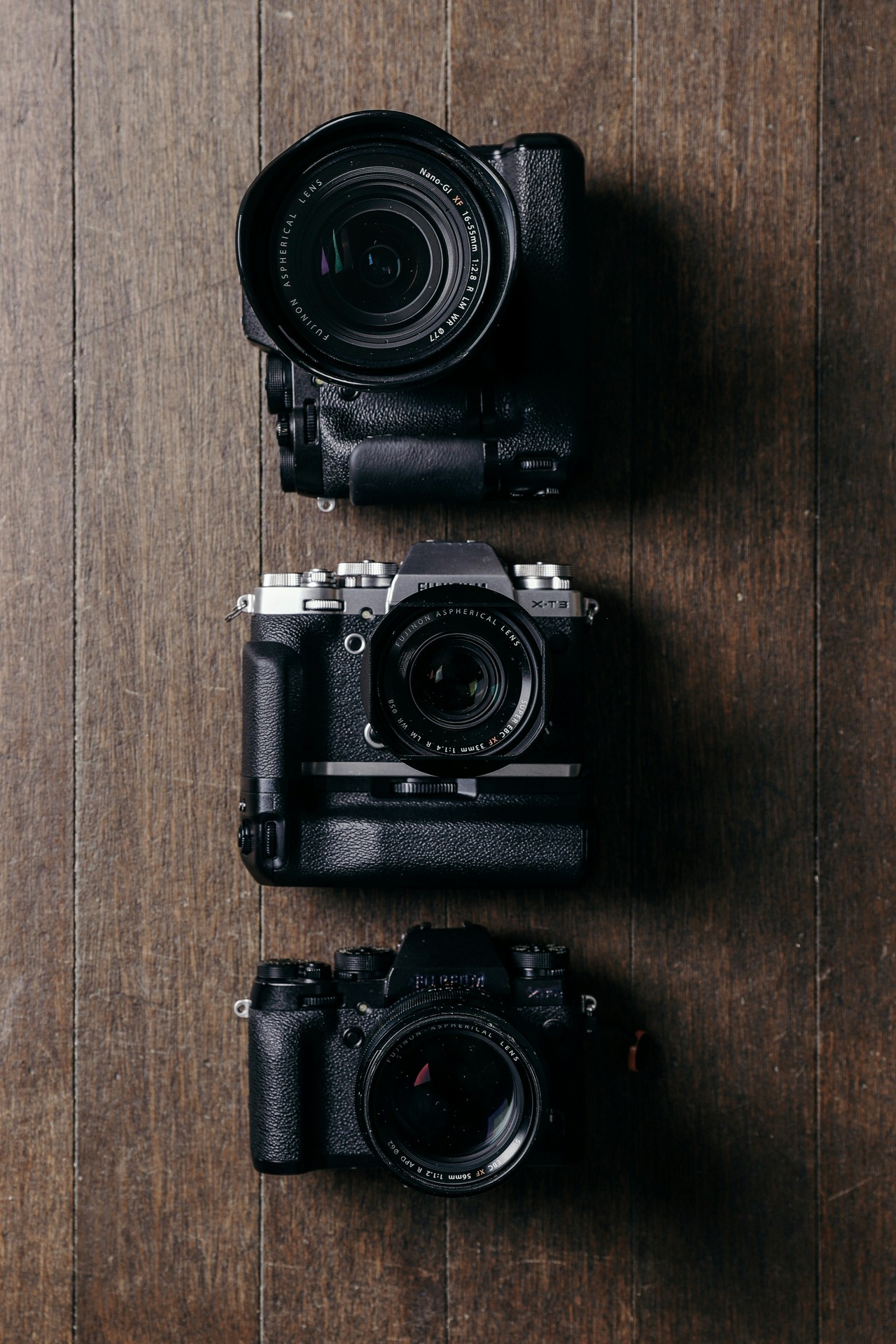
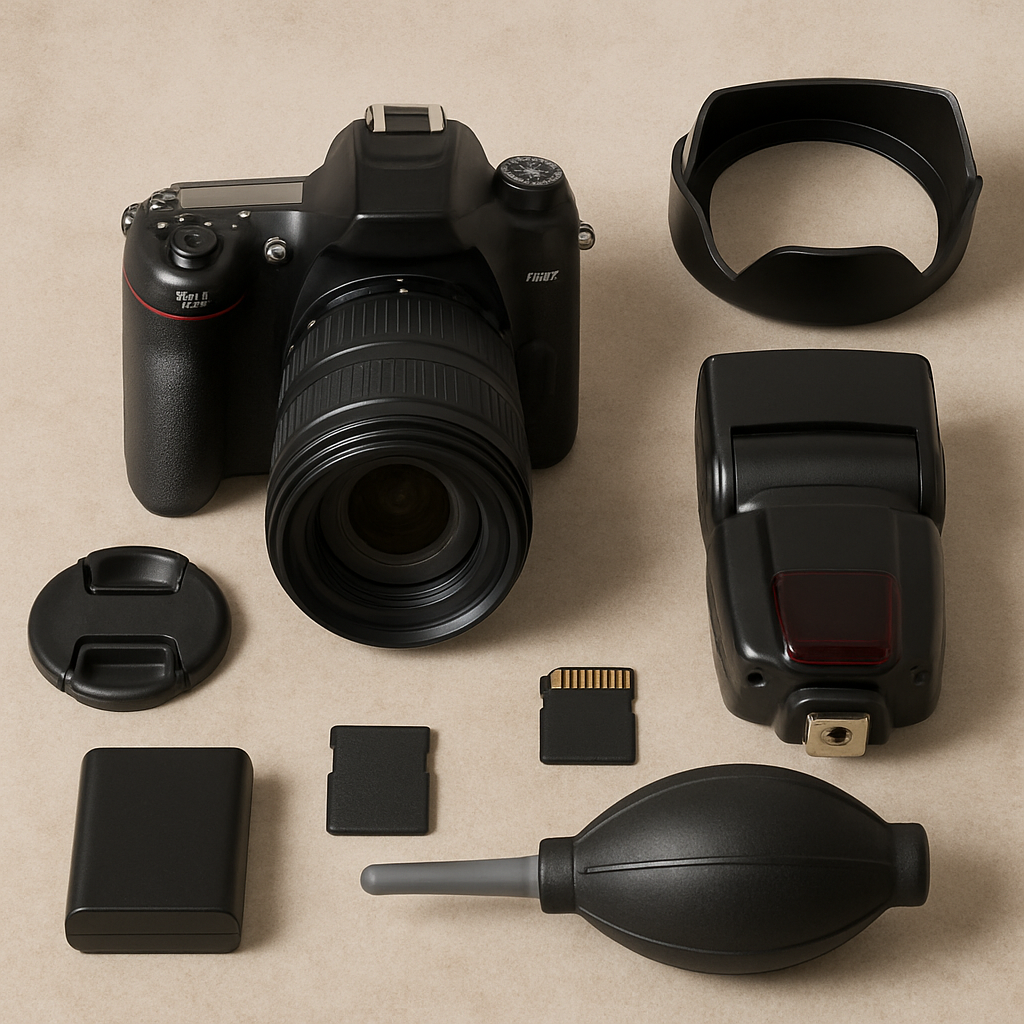
Choosing the right camera is also important. Whether you opt for a DSLR, mirrorless or compact camera, each type has its advantages. A course will help you make the right choice.
The composition is another key aspect. Techniques such as the rule of thirds can transform your photos. They add balance and visual interest.
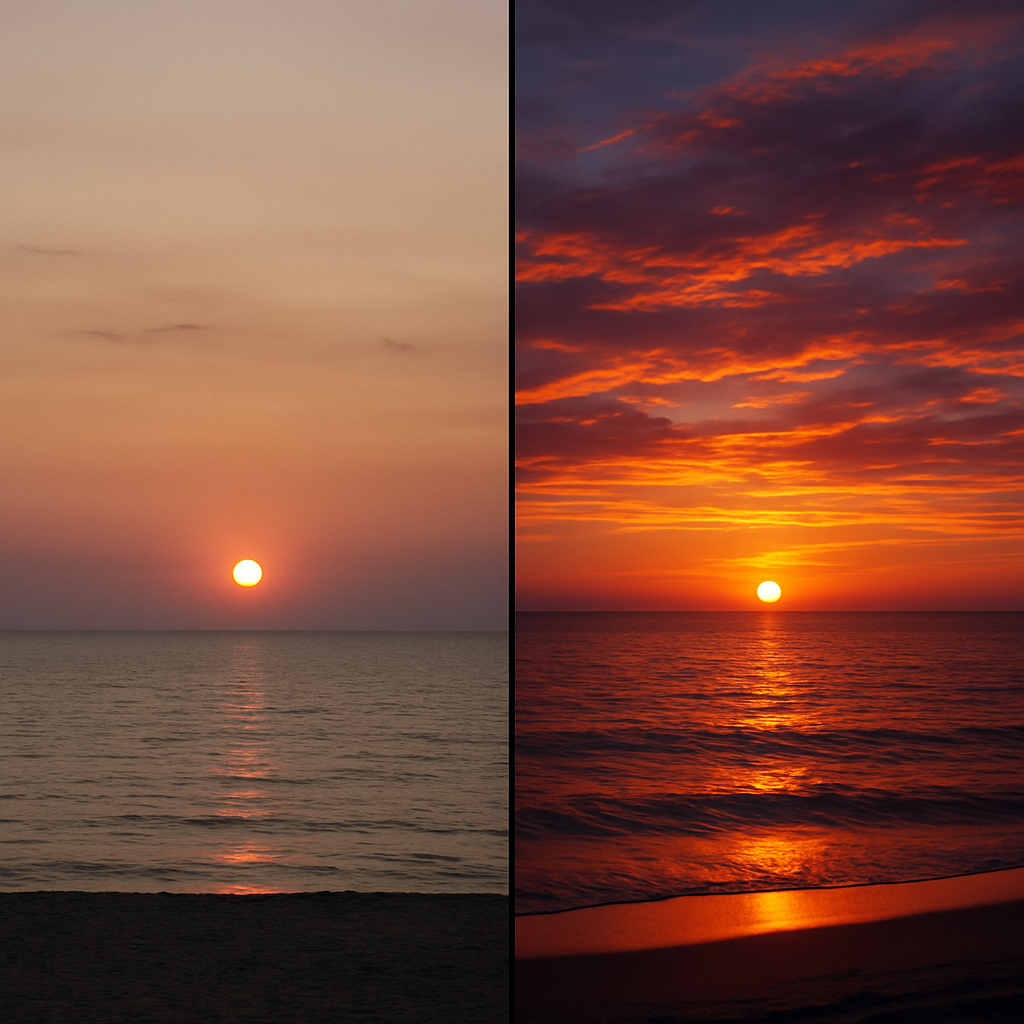
Finally, light plays a central role in photography. Knowing how to use it, whether natural or artificial, is essential. It will help you create striking images.
Why learn the basics of photography?
Learning the basics of photography is crucial for anyone wishing to improve in this field. The fundamentals will give you a solid foundation. This knowledge will make it easier to explore different styles and techniques.
Basic skills make learning more advanced aspects easier. Whether you photograph portraits, landscapes or street scenes, these foundations apply everywhere. They will help you capture consistent, aesthetically pleasing images.
Here are some reasons why you should learn the basics:
Understanding essential technical concepts
Rapid improvement in your photography skills
Ability to solve common problems
Mastering the fundamentals lays the groundwork for your future progress. It makes it easier to absorb complex concepts and discover your own photographic style. Making use of the basics opens up a world of creative possibilities.
Understanding fundamental technical concepts
Before you start taking photos, it is important to understand fundamental technical concepts. These will help you better control the final image. Deepening this knowledge will lead to greater mastery of your camera.
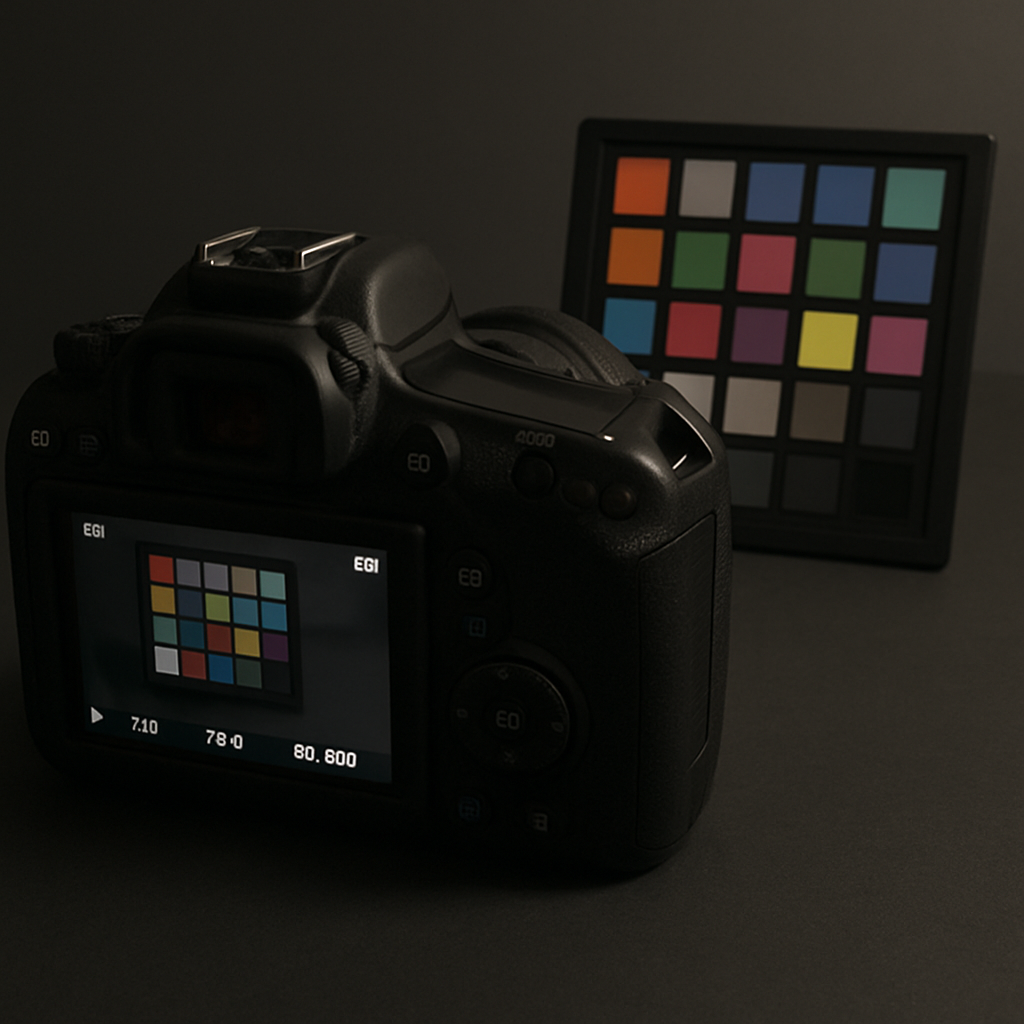
Exposure is the key to a well-lit image. It rests on three pillars: aperture, the shutter speed and ISO. Each plays a crucial role in capturing light.
Components of exposure
Aperture : controls the amount of light entering the lens.
Shutter speed : determines how long the sensor is exposed to light.
ISO : adjusts the digital sensor’s sensitivity to light.
Aperture is expressed in f-stops (e.g. f/1.8, f/22). A wide aperture (small number) produces background blur, ideal for portraits. By contrast, a narrow aperture (large number) increases sharpness.
Shutter speed affects how motion is captured. A fast shutter speed freezes action, while a slow one captures blur. Understanding this concept is essential to creating dynamic, interesting images.
Common ISO settings
ISO 100-400: perfect for sunny days.
ISO 800-3200: ideal for dark environments.
ISO 6400+: recommended for low-light situations.
ISO should be used carefully, as high values increase digital noise. Learning to adjust these settings is the first step towards capturing superb photos.
Putting theory into practice helps cement these concepts. So pick up your camera and experiment with these settings. You will discover how each parameter affects your photos.
Choosing your first camera: tips for beginners
Choosing your first camera can seem complicated. There are countless brands and models on the market. However, you do not need the most expensive one to get started in photography.
As a beginner, understanding your needs is crucial. Do you prefer photographing landscapes or portraits? Your preference will influence the type of camera you buy. Explore the characteristics of each type before deciding.
Camera types for beginners
Compact : small and light, ideal for travelling.
Mirrorless : light, with high image quality.
DSLR : versatile, perfect for growing with you.
Compact cameras are perfect for simple use, while DSLRs offer more control. Mirrorless cameras combine the lightness of a compact with DSLR quality. They are often recommended for keen enthusiasts.
Consider the camera’s weight, size and comfort. Try a few models in a shop to check how they feel in your hands. A camera that is comfortable to use will encourage you to take more photos.
-
Composition techniques for successful photos
Composition is essential to catching the viewer’s eye. It guides the gaze and tells a story in a single image. Mastering these techniques greatly improves your photos.
One basic rule is the famous ‘rule of thirds’. Imagine your image divided by three horizontal and vertical lines. Place your subject on these lines or at their intersections for greater balance.
Classic composition techniques
Framing : use natural elements to frame your subject.
Symmetry and patterns : catch the eye with balanced, repeating structures.
Contrast is another key element. Use opposing colours or juxtapose light and shadow. This gives your photos depth and visual interest.
A few practical tips
Leading lines : use lines to guide the eye towards the subject.
Negative space : leave space around the subject to make it stand out.
Finally, remember that every rule has exceptions. Sometimes going off the beaten track produces surprising results. Experiment and see what works for your style.
-
Mastering light and focus
Light is the soul of photography. Learning to shape it is an essential skill for every photographer. Indoors or outdoors, light determines the mood of your photos.
Natural or artificial, each type of light has its advantages. Natural light is ideal for soft tones. Use it at sunrise or sunset to capture beautiful golden effects.
Tips for using light
Golden hour : favour the moments just after dawn or before dusk.
Avoid harsh shadows : diffuse the light with a reflector or a white sheet.
Playing with light : use contrasts between light and shadow to create depth.
Focus, meanwhile, ensures your subject is sharp. It guides the viewer’s eye exactly where you want it. Take time to adjust your camera, especially in manual mode.
Learn to explore depth of field. A wide aperture creates attractive background blur, highlighting your main subject.
-
Practising photography every day: exercises and tips
Regular practice is crucial to progressing in photography. Taking photos every day sharpens your artistic eye and improves your technical skills. Even a few minutes a day can make a big difference.
Turn your daily routine into a learning opportunity. Photograph your meal, your commute or your pet. These small exercises strengthen your creativity and help you discover new perspectives.
Here are some simple exercises to include in your daily routine:
Project 365 : take a photo every day for a year.
Weekly theme : choose a theme and explore it from different angles.
Set yourself limits : use just one focal length or feature to stimulate your imagination.
With regular practice, you build a rich, varied portfolio. This helps you identify your strengths and work on your weaknesses. Photography then becomes more than a hobby: an integral part of your everyday life.
Different types of photography to explore
Photography is a rich, varied world. It offers many genres for every aspiring photographer to explore. Each type lets you discover new techniques and refine your personal style.
Portraiture invites you to capture human expression, revealing your subject’s personality. Landscape photography, by contrast, encourages you to preserve the beauty of the natural world. It is an opportunity to play with light and expansive compositions.
Other genres await you:
Macro : explore tiny details invisible to the naked eye.
Street photography : capture moments of everyday life.
Astrophotography : reveal the splendour of the night sky.
-
Exploring different types of photography enriches your skills. It also lets you discover which approach resonates most with you. By diversifying your experiences, you develop a unique eye. This journey helps your passion for photography mature.
Photography courses: online or in person?
Choosing between an online photography course and an in-person one can be a dilemma. Online courses offer unmatched flexibility. You can learn at your own pace, without time or location constraints. They are perfect for busy schedules.
However, in-person courses have their own advantages. You benefit from direct interaction with the instructor and other participants. This can enrich your learning experience. Practical exercises in the field are also more frequent.
Here are some points to consider when making the right choice:
Personal availability : free time and schedule.
Budget : course costs may vary.
Learning style : preference for direct interaction or independent study.
Access to resources : equipment and practical settings.
Ultimately, your decision will depend on your lifestyle. It is also about knowing how you learn best. Choose the option that best meets your needs.
Resources for learning photography (PDFs, websites, communities)
Resources for learning photography are numerous and varied. Whether you are a beginner or an advanced enthusiast, you will find something suitable. The availability of PDF courses, websites and dedicated communities makes learning accessible to everyone.
PDFs such as ‘38 cours de photographie pdf’ are an excellent resource. They allow offline reading and reference. These documents often provide detailed guides to photography techniques.
Here are some recommended websites for learning photography:
Digital Photography School : a variety of tips and tutorials.
Fstoppers : discussions on equipment and photography techniques.
PetaPixel : photography news and reviews.
Joining photography communities can speed up your progress. Exchanges with other enthusiasts are enriching. You can ask questions and share your work.
A few online communities to explore:
Flickr : share your photos and receive feedback.
Reddit Photography : varied discussions and advice.
500px : for visual inspiration and sharing.
-
First steps in post-production and photo retouching
Post-production is a crucial stage in modern photography. It lets you improve your images and give them a unique style. Even with a good shot, small adjustments can make a difference.
There are many retouching tools, but some stand out. Adobe Lightroom and Photoshop are popular for their power and flexibility. They help you adjust your photos’ exposure, contrast and colours.
Here are some practical tips for getting started with photo retouching:
Know your needs : what retouching would you like to do?
Take your time : retouching requires patience.
Learn the basics : start with simple tools.
Improving your post-production skills takes practice. Try different software and compare the results. Sharing your work on forums can also help.
Tips for progressing and staying motivated
Photography is an endless journey. To progress, set clear, achievable goals. Visualise the results you want to maintain your interest.
Cultivating your passion means staying curious and seeking inspiration. Read books, follow photographers on social media and connect with other enthusiasts.
Here are some suggestions for staying motivated:
Set yourself personal challenges : step outside your comfort zone.
Enter competitions : measure your progress against others.
Document your progress : keep a record of your improvements.
Conclusion: making photography a lasting passion
Photography can transform your perception of the world. By mastering its basics, you open the door to limitless creativity. Commit to learning and experimenting every day.
Invest time in developing your unique style and share your vision. Regular practice and intellectual curiosity will fuel your passion. With perseverance, photography will become an integral part of your daily life.
Written and authored by: TimFocus
To apply these basics to an everyday subject, try this method for photographing a dish with a smartphone.