

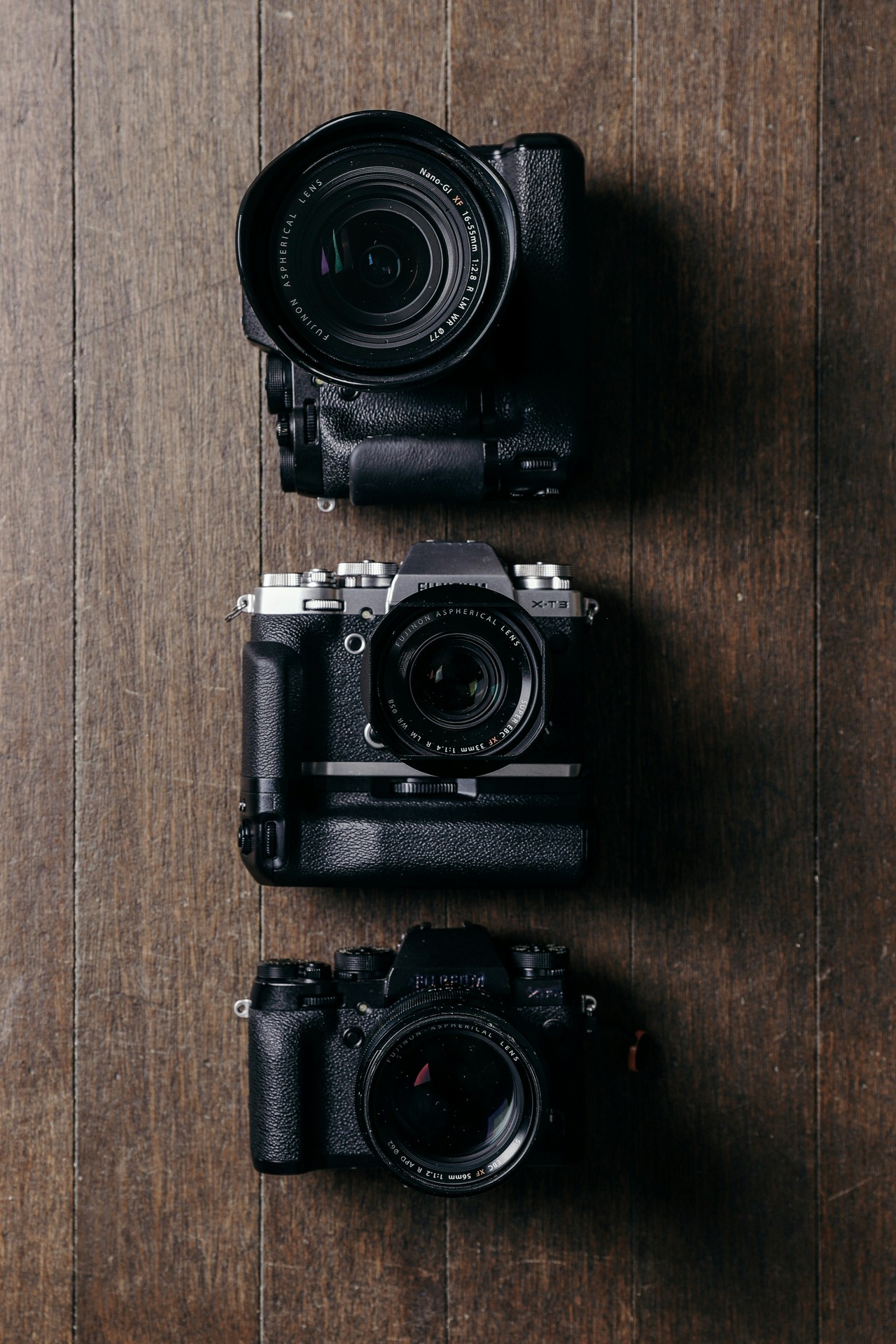
Professional photography often sparks curiosity. What distinguishes a professional photographer from an amateur?
A professional photographer does more than capture images. They tell stories through their photographs.
Skills, equipment and experience play a crucial role. But that is not all.
Each type of professional photography has its own particularities. Whether for a wedding, an event or a commercial campaign.
Choosing the right photographer is essential for preserving precious moments.
A well-constructed portfolio can make all the difference. It shows the photographer's style and quality.
In this article, we will explore the different facets of working as a professional photographer.
Discover how these visual artists turn moments into unforgettable memories.
Definition of a professional photographer
A professional photographer is an imaging expert. They use their skills to capture high-quality photos. This type of photographer works not just for pleasure, but for an income.
The main difference between an amateur and a professional photographer lies in technical mastery and client trust. A professional photographer has expertise confirmed by training and certifications.
A professional photographer often specialises in one or more areas. Here are a few examples:
Wedding photography
Event photography
Commercial photography
These photographers must also meet high quality standards. They keep up with the latest trends and technologies. This allows them to offer a consistently cutting-edge service. It also involves skilful use of light and innovative compositions.
Amateur vs professional photographer: what are the differences?
An amateur photographer takes photos for pleasure, without financial constraints. Amateurs may use basic equipment and do not always have formal training. By contrast, professionals commit to delivering superior quality on every assignment.
Skills and equipment are key factors distinguishing the two. A professional often has:
Expensive, sophisticated equipment
Advanced photo retouching skills
Extensive experience across varied photography projects
Another aspect is the approach to clients. A professional photographer focuses on client satisfaction. They take time to understand their clients' needs to offer personalised results. Amateurs, on the other hand, follow their personal inspiration without external constraints.
The key skills of a professional photographer
A professional photographer's primary skill is technical mastery. This includes using various types of cameras and lenses. Each project requires in-depth knowledge of these tools to capture the perfect image.
Creativity is crucial. A professional photographer must know how to compose unique images. This involves playing with light, shadows and perspectives.
Photo retouching skills are also essential. Post-production enhances the images captured. A photographer needs to be comfortable with software such as Photoshop and Lightroom.
Finally, interpersonal skills must not be overlooked. Professional interaction with clients is essential. This means listening, understanding and translating clients' expectations into captivating images.
Technical mastery of cameras
Creativity and visual composition
Photo retouching skills
Interpersonal skills with clients
The importance of equipment and a professional photography studio
Equipment plays a central role in professional photography. A good camera and quality lenses are essential. They guarantee sharp, detailed images in a variety of conditions.
A professional photography studio is a valuable asset. A dedicated space offers complete control over lighting and background. This allows sessions without the constraints of outdoor conditions.
Investment in equipment and a studio demonstrates a photographer's seriousness and dedication. It is a key indicator of the quality of the work offered. In short, equipment is a decisive factor in meeting client expectations.
High-quality cameras
A variety of lenses for different situations
Studio with full lighting control
-
The different types of professional photographers
The world of photography is full of varied specialities. Each professional photographer stands out through their area of expertise. This guarantees images suited to each specific need.
Event photographers cover life's important moments. Weddings, birthdays and other major occasions are their playground. They capture the unique emotions and atmosphere of each event.
Commercial photographers, meanwhile, focus on business needs. They work to present products or services attractively. This type of photography is crucial for marketing campaigns.
In every area, the portfolio plays a vital role. It shows the photographer's skills and style. Each photograph tells a unique story.
Event photographer
Wedding photographer
Commercial photographer
-
Event photographer
Event photographers specialise in capturing fleeting moments. These professionals preserve parties, concerts and conferences.
These photographers are experts at handling the unexpected. They must be responsive and discreet while capturing what matters.
Capture the atmosphere of the event
Handle changing light
Anticipate key moments
Professional wedding photographer and wedding photographer
A wedding is a special event requiring particular expertise. Wedding photographers must know how to capture the emotion and beauty of the moment. Every detail matters and must be photographed with care.
This is an area where experience makes the difference. Photographers must anticipate unforgettable moments. Their task is to tell a love story through their images.
Preparation is the key. Meeting the couple is essential to understand their expectations. This dialogue ensures personalised memories.
An initial meeting with the couple
Capture every detail of the big day
Anticipate and preserve the highlights
Commercial photographer
Commercial photographers play a key role in brand image. They work closely with businesses to showcase their products.
These photographers need to understand marketing needs. Their task is to create attractive, relevant visuals.
Every image must communicate a clear message. Photo quality can influence perceptions of a brand. A good commercial photographer contributes directly to a campaign's success.
Work with marketing teams
Photograph products and services
Create high-impact visuals
The photography portfolio: an essential tool
A photography portfolio is crucial for every professional photographer. It directly reflects their talent and expertise. It offers an overview of past work and the photographer's personal style.
This tool helps potential clients make an informed choice. A good portfolio highlights the variety of work completed. It demonstrates the photographer's ability to adapt to different contexts.
Presents style and skill
Shows the diversity of projects
Helps attract new clients
-
A professional photographer's working process
A professional photographer's work goes far beyond taking photos. It starts with understanding the client's needs and developing a plan. This preparatory phase is crucial for a successful result.
Next, the photographer chooses equipment suited to the situation. Equipment selection depends on the location, light and type of photos desired. Careful preparation ensures an efficient photo session.
During the shoot, the photographer must adapt to the unexpected. Handling unforeseen situations guarantees the quality of the final work. They must react quickly to capture important moments.
Finally, the process includes post-production. This involves editing the photos to enhance every detail. Professional retouching is a key step towards an impeccable finish.
Understanding the client's needs
Choosing appropriate equipment
Adapting to the unexpected during the session
Careful retouching and post-production
The importance of post-production and retouching
Post-production is an essential stage in professional photography. It can turn a good photo into an exceptional work. Photographers spend considerable time perfecting every image.
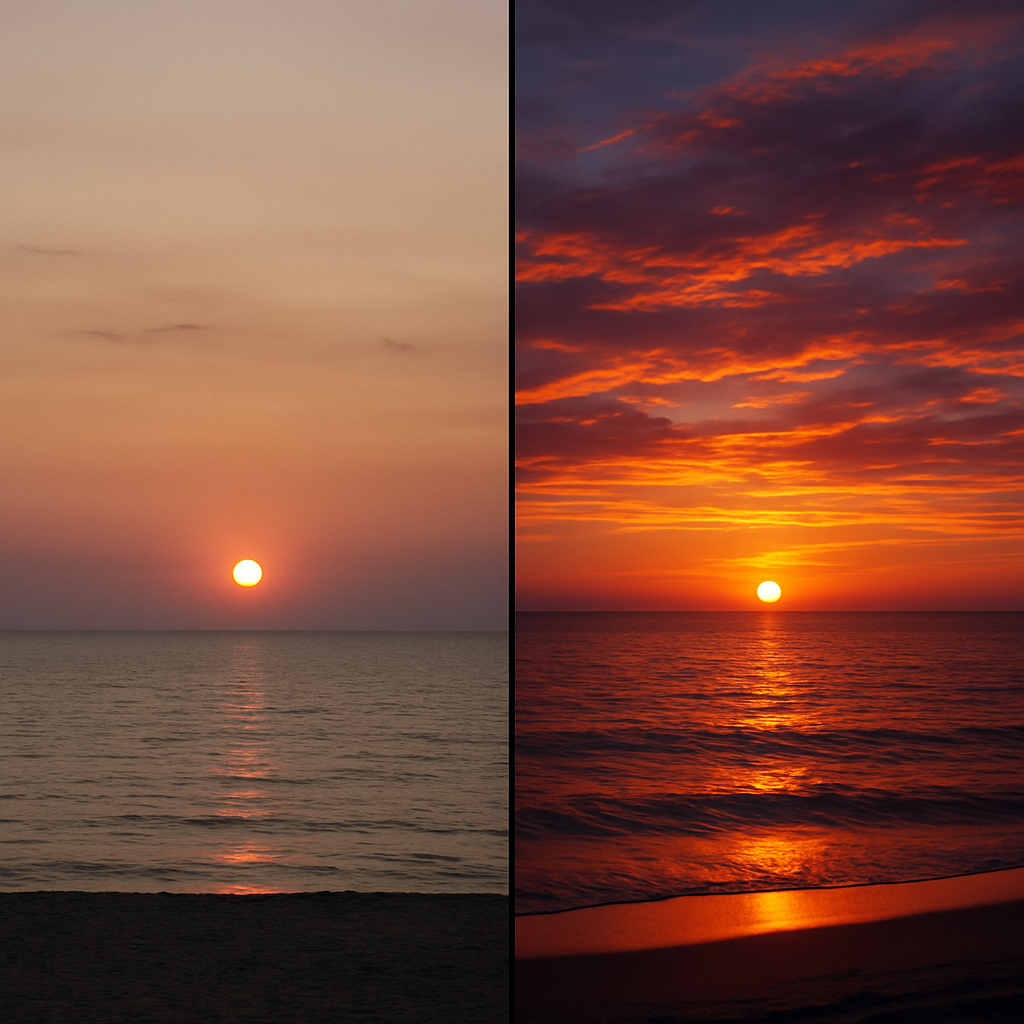
Retouching improves colours, adjusts brightness and corrects imperfections. It gives every photo a polished, refined quality. Good retouching produces images that tell a story with clarity and emotion.
Improving colours and contrast
Adjusting brightness for greater clarity
Correcting flaws and imperfections
How do you choose a professional photographer?
Choosing a professional photographer can be a challenge. It is important to define your needs clearly. Consider the photographer's style and specialisation.
Check the portfolio to assess the quality of the work. Look for client reviews and assess their reputation. Taking time to discuss expectations can also help.
Open communication is crucial for successful collaboration. Consult several photographers before making a decision. Comparing their prices and offers will help you find the right partner.
Define your specific needs
Check the portfolio for quality
Read client reviews and compare prices
Trends and challenges in professional photography
Professional photography is constantly evolving. New technologies change the way images are captured and processed. Social media also plays an important role.
Professional photographers must follow trends. Adapting to current visual styles is essential. This helps them stay relevant in the market.
Challenges such as competition and tight-deadline pressure persist. A photographer must know how to stand out. Creativity and innovation are the keys to success.
Keeping up with technological advances
Adapting to current visual styles
Creativity to stand out
Conclusion: why hire a professional photographer?
Hiring a professional photographer guarantees quality. Their skills and experience bring invaluable value. They know how to capture the essence of every moment.
A professional photographer uses cutting-edge equipment. Their expertise in composition and light is unrivalled. This ensures memorable, unique images.