

We have all experienced that frustrating moment: facing a breathtaking sunset, you take out your phone, but the screen shows only a lifeless orange patch. This frequent gap between the splendour of reality and the digital result explains why our galleries are full of memories, but rarely striking images.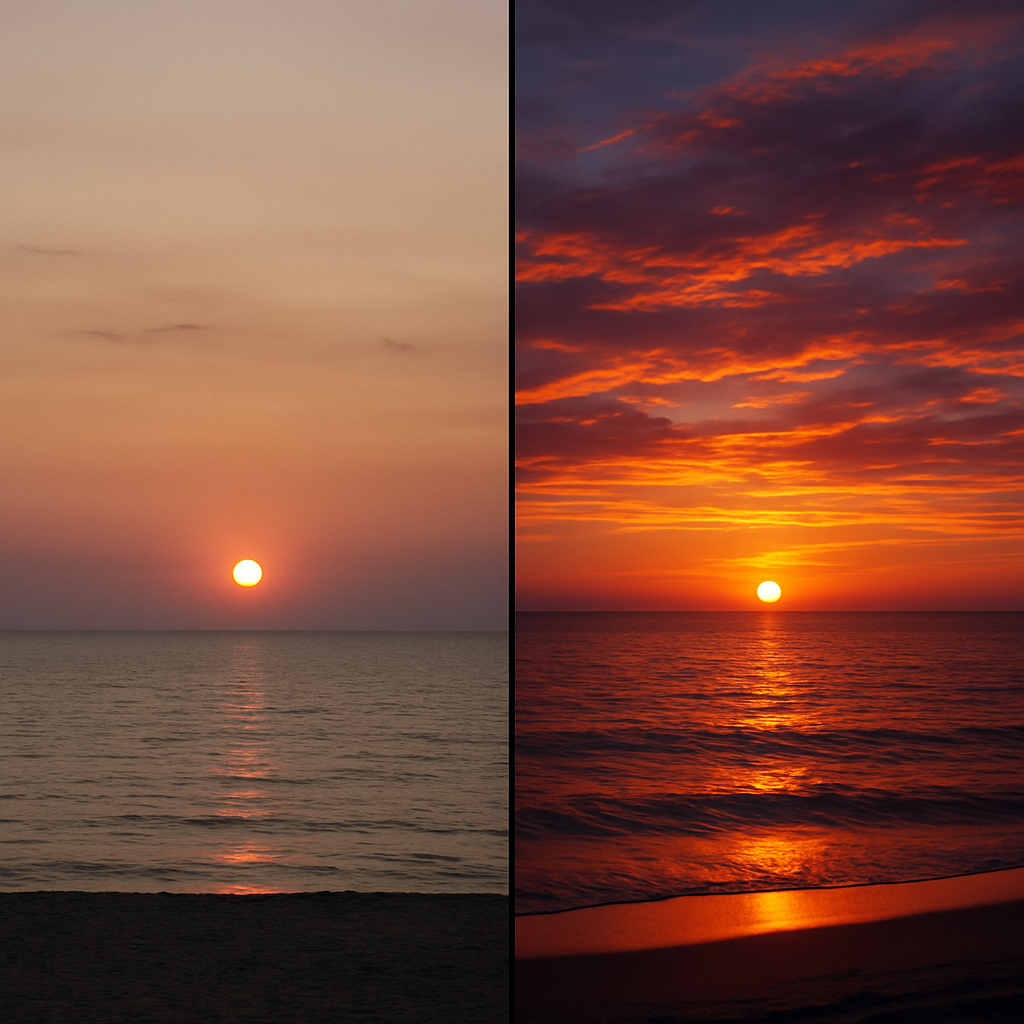
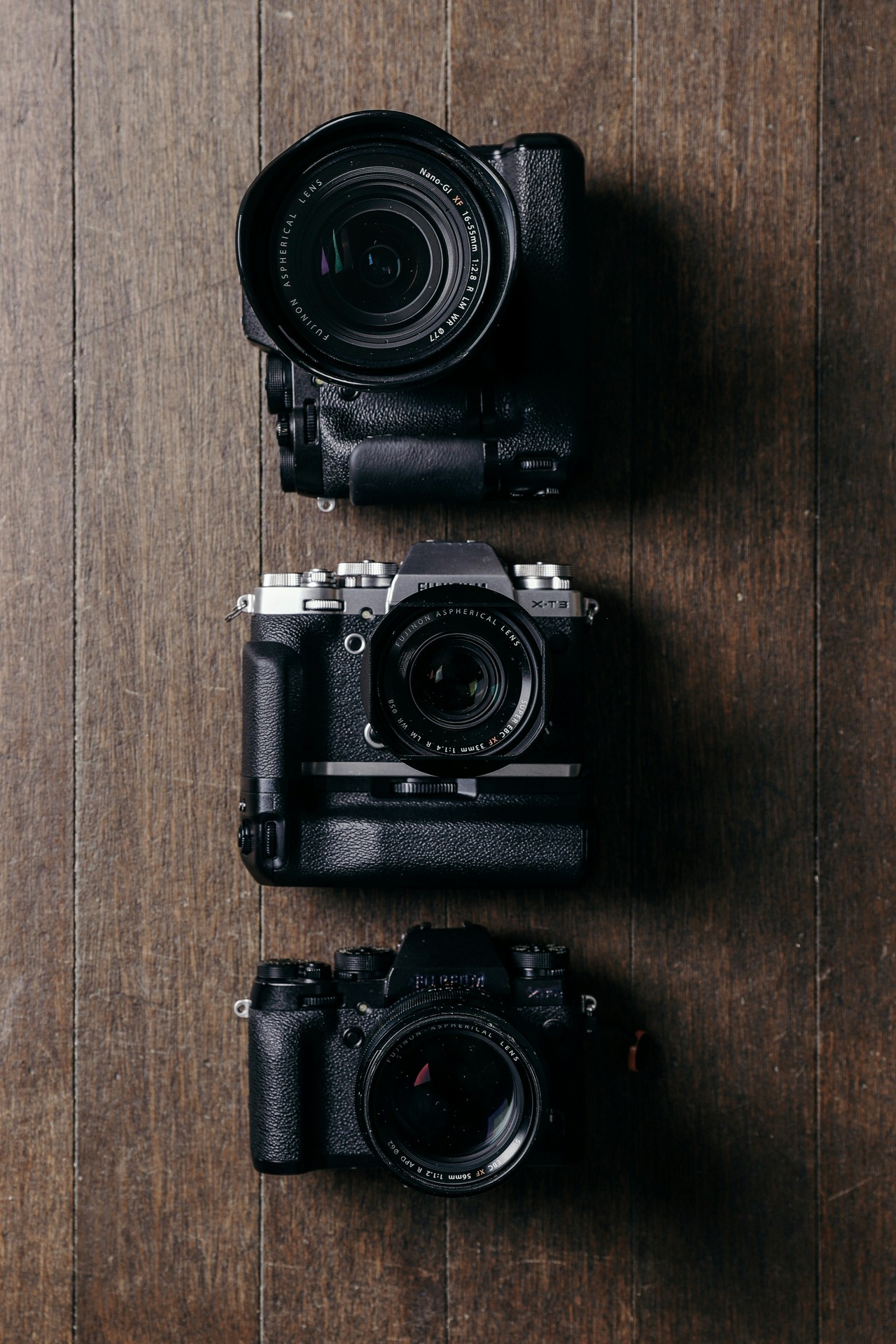
It is tempting to believe that a professional photographer stands out only through an expensive camera, but practice proves otherwise. The ‘90/10’ rule is often mentioned in the industry: equipment accounts for only 10% of an image’s success, while the remaining 90% comes from the eye, vision and experience of the person behind the lens.
This fundamental distinction separates a simple snapshot from a true photograph. While an amateur captures a scene to prove they were there (‘I was there’), an expert uses precise photography techniques to express an intention. Understanding that an image is built before even touching the shutter is the first step towards turning a simple capture into a visual work of art.
Vision before the click: why the eye beats the lens
Having the best camera in the world is useless if you do not know where to look. This is often the real difference between a souvenir photo and a professional image: composition, or the art of selecting. Imagine the world as a noisy, disorganised scene; the photographer’s job is not to show everything, but to exclude distractions. Removing a bin from the background or cropping out a parked car at the side eliminates visual noise, forcing the eye to focus solely on the subject’s emotion.
There is a simple yet powerful trick to structure this way of seeing: the rule of thirds. Visualise a noughts-and-crosses grid over your image (two horizontal lines, two vertical). Instead of placing your subject right in the centre, which makes the image static, try positioning it on a vertical line or at an intersection. This simple shift creates natural energy and immediately makes the photo easier for the human brain to read.
Beyond placement, good composition uses the surroundings to guide the viewer. Here are the key concepts to transform your vision:
The rule of thirds: Move the subject off-centre to avoid a rigid ‘ID photo’ effect.
Negative space: Leave empty space (such as a blue sky or plain wall) to let the image breathe.
Leading lines: Use a path, road or railing to lead the eye straight to the subject.
Once the framing is perfectly defined, one essential ingredient is still missing to give the scene volume and depth: light.
Sculpting with light: the secret to a portrait with depth
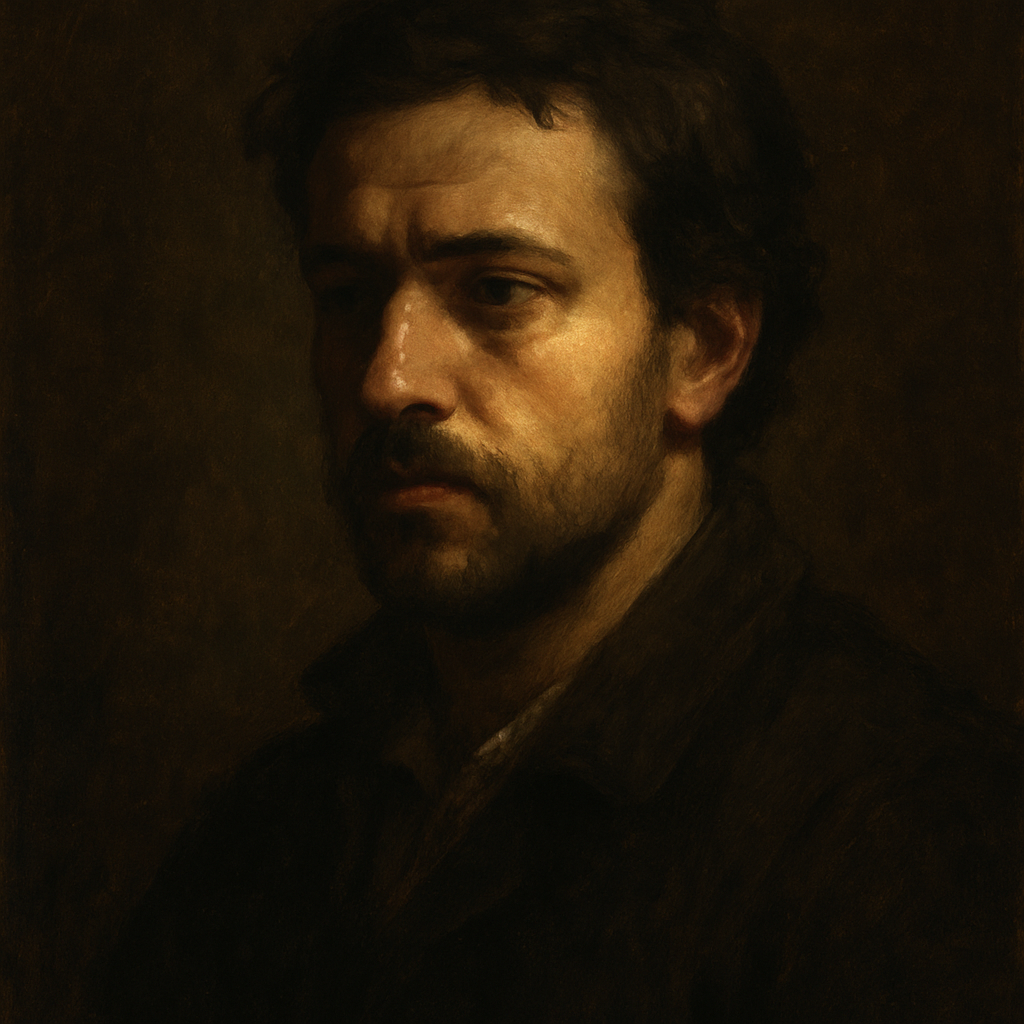
Have you noticed how photos taken with a phone’s direct flash often make faces look flat, even slightly ‘ghostly’? This happens because cast shadows are absent. Our brains need shadow to understand the shape of a nose or the roundness of a cheek. Harsh frontal lighting erases this natural relief, turning a three-dimensional person into a flat image without depth. Professionals, by contrast, do not simply try to eliminate darkness, but use shadow to define features.
This is where the work of a portrait photographer resembles that of a sculptor. Moving the light source to the side—whether a simple window providing natural light or sophisticated equipment—creates what is called ‘modelling’. Side lighting caresses the face, leaving part of it in gentle shadow to suggest volume. This is why experts often favour the ‘Golden Hour’ (the golden hour just before sunset): the low sun acts as a directional light that is soft and gives a cinematic texture impossible to reproduce at midday, when the sun flattens perspective.
Mastering these studio lighting techniques or their outdoor equivalents allows you to capture high-quality raw material, but the creative process does not end at the shutter click. Once the light has been controlled and recorded by the sensor, one crucial step remains to enhance this raw material: digital development.
From raw ingredients to Michelin-starred dish: behind the scenes of digital retouching
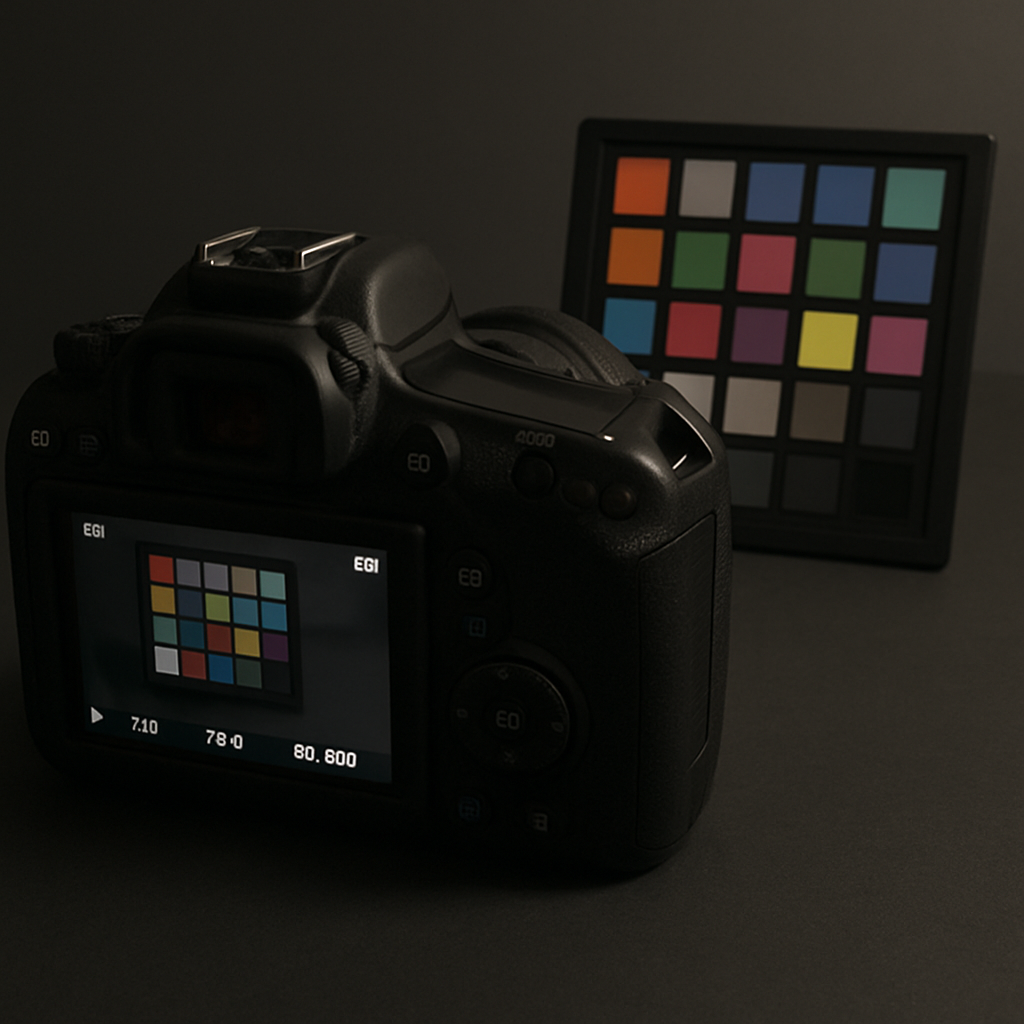
Imagine a top chef serving you unpeeled vegetables and raw meat: that is exactly what an image straight from a professional camera looks like before any intervention. Experts capture their shots in RAW format (raw), a large digital file that records an immense amount of information but initially looks grey and dull on screen. Unlike a smartphone that automatically saturates colours for instant appeal, post-production starts with these neutral ‘ingredients’. The aim is not to fake reality, but to develop the file to recover the brilliance and details the human eye perceived at the time.
Far from simply applying standard filters, digital retouching is precise work on colour and atmosphere. The photographer manually adjusts each area of the image to guide the eye: warming tones to evoke the nostalgia of a family memory, or strengthening contrast to give an advertising campaign a modern feel. This stage ensures visual consistency across an entire series; in wedding coverage or a brand shoot, every photo must tell the same story with a unified aesthetic identity.
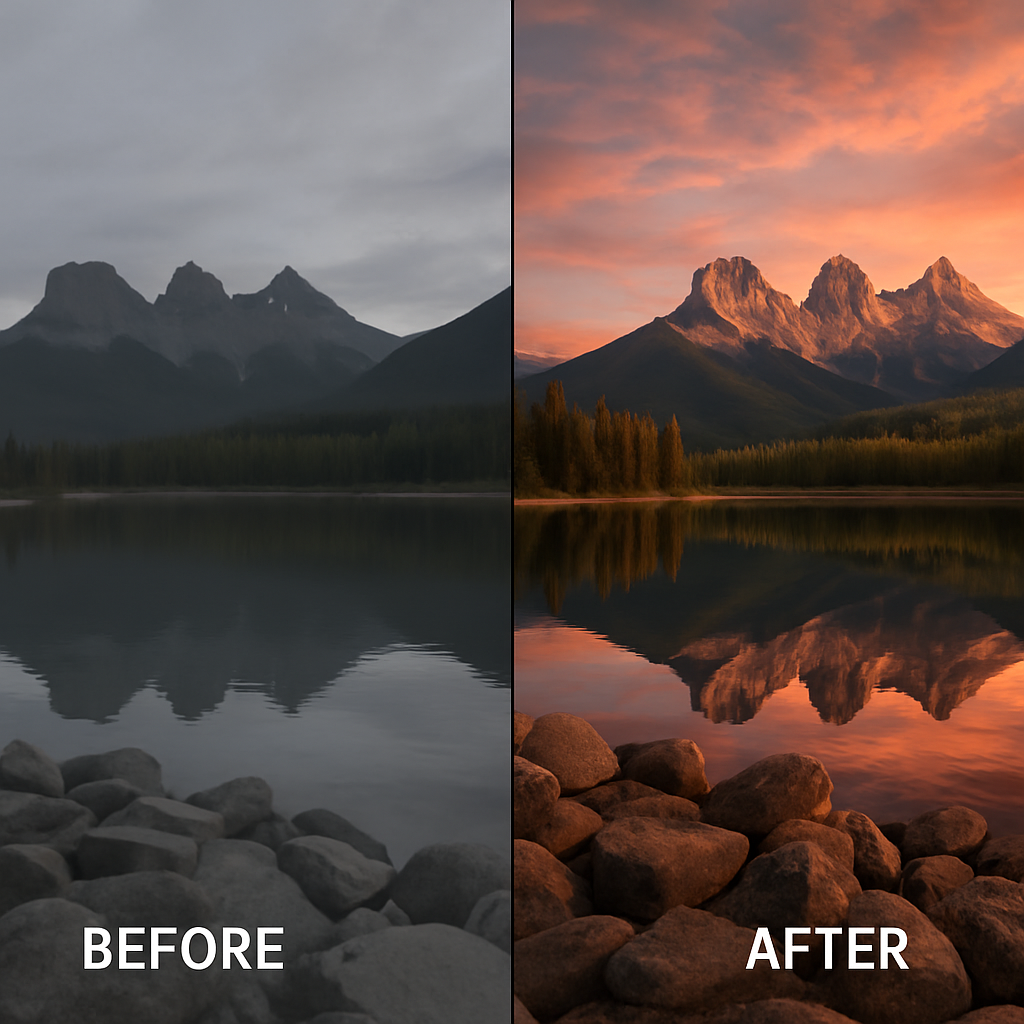
Understanding this approach sheds light on a practice often misunderstood by the public: refusing to deliver unprocessed raw files. Asking a creator for RAW files would be like demanding flour and eggs instead of the finished cake. Photo retouching transforms the technical sketch into a finished work, removing temporary distractions to keep only the essentials. This expertise, inseparable from high-precision optical equipment, forms the true foundation of professional added value.
Equipment and expertise: when technology serves brand image
Although today’s smartphones achieve remarkable things, they still struggle to reproduce the real optical physics of high-precision photographic equipment. For a business, using professional wide-aperture lenses isolates the main subject—whether a new product or an executive portrait—by creating natural background blur that guides the eye without distraction. This visual depth, impossible for an algorithm to simulate perfectly, provides texture and clarity essential on a large screen or in print. A sharp, detailed image instantly inspires trust, playing a key role inoptimising brand image among your future clients.
Beyond aesthetics, professional equipment includes a critical aspect often overlooked: data security. Unlike consumer cameras, expert-level cameras simultaneously record each shot on two separate memory cards, guaranteeing that no key moment of an event is lost in the event of electronic failure. It is this guarantee of results, combining optical performance with rigorous risk management, that truly distinguishes a qualified service provider from a passionate amateur. With this technical assurance established, it is now time to decode the subjective criteria for selecting the ideal partner.
Choosing your provider: beyond a simple click
Finding the right person starts with a careful analysis of the consistency of the work presented. It is easy to get one good photo by chance, but a artistic portfolio that is strong demonstrates consistent mastery, whatever the lighting conditions. Look for a coherent visual signature: if images in a gallery seem to come from five different creators, that is a warning sign. This consistency is your only guarantee of getting the precise aesthetic result you hope for in your own project.
Reviewing quotes often reveals surprises if you look only at the headline hourly rate. A professional’s fee includes invisible post-processing time, equipment depreciation and, often overlooked, the legality of image use. The concept of copyright (or rights assignment) specifically defines where you can publish your visuals (website, advertising displays, social media) and for how long. Average photo session rates at the higher end generally include this legal security and careful retouching, whereas a low advertised price often hides usage restrictions or hidden costs.
To choose the right provider, you need to assess the human connection beyond technical skills alone. Photography is a collaboration, so you must feel comfortable with the person directing the session. Before signing, check these three pillars:
Style consistency: Ask to see a complete gallery from a single event, not just a ‘best of’.
Contract clarity: Make sure delivery times, photo numbers and rights are set out in writing.
Active listening: Does the photographer ask about your specific needs or only talk about their rates?
Once you have chosen this trusted partner, the project’s success now rests on careful preparation ahead of the big day.
Make your first shoot a success: from preparation to the final result
Once the date is set, the success of your images will depend largely on advance communication to ease natural apprehension. Many clients arrive stressed, worried they do not know how to pose, but a genuine conversation beforehand helps define your precise expectations and turn nerves into confidence. This is the ideal moment to discuss the desired atmosphere and ask how to prepare for your first studio shoot or outdoor session to avoid surprises. Your photographer will often help you create a priority shot list, a simple tool that ensures essential moments or people are not forgotten in the heat of the action.
The visual harmony of your images then rests on strategic clothing choices designed to flatter the subjects rather than showcase fashion. For a family photo session, the classic mistake is dressing everyone exactly alike; instead, choose a coordinated colour palette that lets each person’s personality shine while creating visual unity. Choose plain, timeless fabrics, because large logos or complex patterns distract from faces and the emotion of the moment. The aim is for clothing to support the subject without ever stealing the spotlight, ensuring your memories remain elegant even twenty years from now.
Time management becomes crucial at major events, because natural light determines the final quality far more than the camera itself. The schedule for a wedding photo shoot should ideally include the ‘Golden Hour’, the golden hour just before sunset that offers soft, flattering light impossible to reproduce artificially. Trusting your provider’s expertise to schedule these slots ensures the technical aspects of lighting enhance your day without adding unnecessary pressure, leaving you free to enjoy the present moment.
Take action: turn your memories into a visual legacy
Hiring a professional photographer is not just about buying images; it is a direct investment in your visual legacy. You now understand that the magic lies not in the camera, but in the eye of a qualified service provider capable of sculpting light to turn the fleeting into the lasting. Always favour the intensity of a powerful image over a collection of forgotten digital files.
Imagine yourself twenty years from now, leafing through that album with loved ones: would you rather see blurry pixels or relive the moment with its emotional clarity intact? While waiting for that occasion, train your eye today: always look for the light source before pressing the shutter on your phone. When you are ready to take the next step, follow this simple plan:
Define your precise visual needs (portrait, event, business).
Select 3 portfolios whose style genuinely moves you.
Book a discovery call to check the personal connection.
Written and authored by: TimFocus