

Photography is a powerful art, capable of transcending time and space to capture moments that tell stories. In this article, we will explore how to tell a story through photography, using various techniques and tips to enrich your visual storytelling. From iconic photos such as the "trump and bill photo" to creative compositions such as the "billie eilish mirror photo strap", every image has the potential to captivate and move people.
Narrative photography does more than capture aesthetically pleasing images; it seeks to convey an emotion, an idea or a story. This approach allows photographers to communicate complex stories in a single image, prompting deep reflection in the viewer.
Conveying emotion in a photograph is essential for capturing the viewer's attention. This can be achieved by choosing moments of vulnerability or intense joy. Emotion allows viewers to connect personally with the image, turning a simple photo into a memorable experience. The emotion you choose to capture should be intentional and aligned with the overall message you wish to convey.
Context plays a crucial role in narrative photography, as it provides the clues needed to understand the story. A well-chosen background can add extra depth to the image by highlighting contrasts or complementing the main subject. Context can include environmental elements that enrich the story, such as historic buildings or natural landscapes. By incorporating contextual elements, you help the viewer place the story within a broader setting.
Effective composition is essential for guiding the viewer's eye and highlighting narrative elements. Composition rules, such as the rule of thirds or leading lines, can structure the image in a way that strengthens the visual story. Strategic composition creates a hierarchy among the elements of the image, emphasising what matters to the story. Good composition can turn an ordinary scene into a captivating narrative, engaging the viewer more deeply.
Incorporating symbols and metaphors into your photographs can enrich the narrative by adding layers of meaning. Symbolic objects or colours can evoke ideas or emotions without expressing them explicitly. For example, a photograph of a winding road can symbolise a journey or a personal quest. Visual metaphors engage the viewer in interpretation, making the photographic experience more interactive and engaging.
The decisive moment is a key concept in narrative photography, where the photographer captures the precise instant that tells the story most poignantly. This often requires careful anticipation and preparation to be in the right place at the right time. Capturing the decisive moment often means recognising and reacting quickly to changes in expression or movement. That moment can turn a static image into a vibrant narrative, full of life and emotion.

Techniques to Enrich Your Visual Storytelling
Using Frames and Reflections
Creative use of frames and reflections can add depth to your photographic story. For example, "photo frames and mirrors" can introduce multiple perspectives or isolate the subject in a complex environment.
Creating Depth with Frames
Frames within an image can direct attention and add layers of depth. By using natural or architectural elements as a frame, you can frame your subject and create a more dynamic composition. This helps focus the viewer's eye on the main element while enriching the overall context of the image. Frames can also separate different parts of the story, adding another narrative dimension.
Exploring Reflections
Reflections offer a unique opportunity to play with symmetry and duality in your photos. Whether through glass or a body of water, reflections can add an intriguing perspective to your composition. They can also introduce an element of surprise or mystery, encouraging the viewer to look more closely. Incorporating reflections allows you to explore themes of literal and figurative reflection, enriching visual storytelling.
Multiple Perspectives
Using frames and reflections, you can introduce several perspectives into a single image. This lets the viewer see the subject from different angles, enriching the story told by the photo. Multiple perspectives add complexity and depth, encouraging closer exploration of the image. This technique can be particularly effective for telling complex or multidimensional stories.
Playing with Light and Shadow
Shaping light and shadow is a powerful technique for creating atmosphere and emphasising emotion in an image. Light can direct attention towards the subject, while shadows can add mystery or tension.
Creating Atmospheres
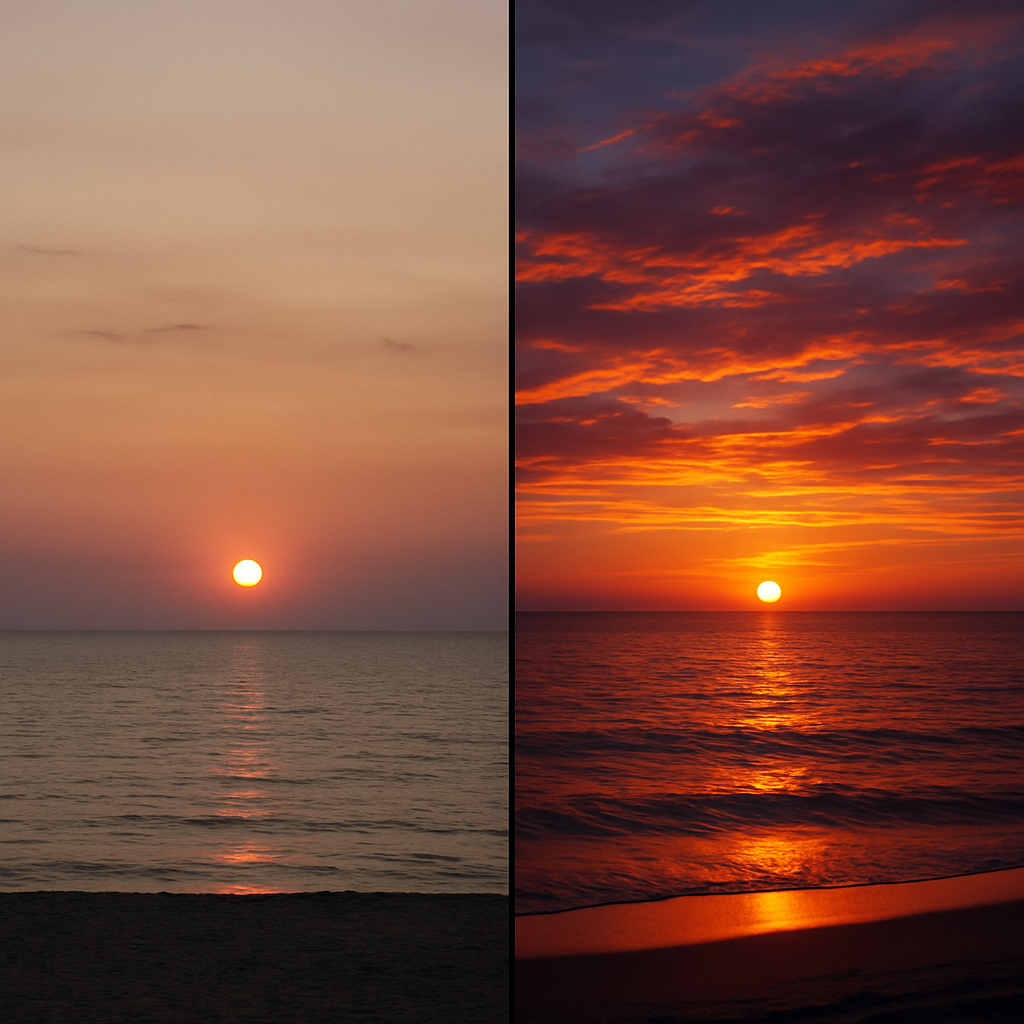
Light can create different atmospheres that enrich visual storytelling. For example, soft, diffused light can evoke calm or nostalgia. Conversely, hard, direct light can introduce tension or drama into an image. Shaping light lets you control the mood of a photo, aligning the visual atmosphere with the story you wish to tell.
Using Shadows
Shadows add mystery and depth to your photographs, contributing to the image's narrative. They can conceal certain elements, introducing suspense or anticipation. Shadows can also create interesting shapes and patterns, adding an artistic layer to the composition. Creative use of shadows lets you play with the viewer's perception, enriching the visual experience.
Chiaroscuro Effects
Using chiaroscuro, the art of playing with contrasts of light and shadow, can strengthen the visual narrative. This technique can highlight details or facial expressions, adding emotional intensity to an image. Chiaroscuro can also create a dramatic focal point, drawing the viewer's eye towards the central element of the story. This approach adds a theatrical dimension to your compositions, accentuating the narrative in a visually captivating way.
Incorporating Narrative Props
Strategically placed props can enrich your story by adding contextual details. For example, a "billie eilish mirror photo strap" can symbolise duality or self-reflection, adding a layer of narrative complexity.
The Symbolism of Props
Props can serve as symbols to enrich the photographic narrative. They can represent abstract concepts or personal themes such as freedom, growth or identity. By choosing meaningful props, you can add layers of depth to your image, encouraging the viewer to think beyond the surface. Strategic use of symbolic props enriches visual storytelling and stimulates the viewer's personal interpretation.
Providing Context through Props
Props can also help contextualise a story by providing visual clues about the setting or period. Objects such as newspapers, watches or specific clothing can anchor an image in a particular time or place. They add authenticity to your narrative, helping the viewer immerse themselves in the world you have created. Contextual props enrich narrative depth and improve the immersive experience.
Creating Contrasts
Props can create visual or conceptual contrasts in your photos. For example, a modern prop in a historic setting can highlight the passage of time or cultural changes. By playing with contrasts, you can draw attention to specific aspects of your story, adding a dynamic dimension to the image. Contrasts created by props enrich the visual narrative, adding layers of meaning and narrative tension.
Examples of Narrative Photography
The Impact of the "Trump and Bill Photo"
This iconic image illustrates how a simple photo can capture a historic moment and prompt a myriad of interpretations. By studying famous photos, photographers can learn to incorporate narrative elements into their own work.
Image Analysis
Analysing this image reveals how each element contributes to the overall narrative. Facial expressions, posture and context all contribute to a rich and varied interpretation. By studying these details, photographers can learn how to structure their own compositions to maximise narrative impact. This image demonstrates photography's power to evoke complex stories through carefully orchestrated visual elements.
Multiple Interpretations
The "Trump and Bill Photo" is an excellent example of how a single image can give rise to many interpretations. Each viewer may see something different depending on their personal context and experiences. This multiplicity of interpretations enriches the image's narrative value by encouraging personal engagement. A photo's ability to evoke varied stories underlines the power of narrative photography.
Lessons for Future Photographs
Photographers can learn valuable lessons from this iconic image to improve their own work. By observing how visual and contextual elements interact to tell a story, they can refine their approach to composition. Incorporating narrative elements intentionally and thoughtfully can transform an ordinary photo into a captivating story. This study offers valuable insights for those wishing to master the art of narrative photography.
Creativity and Surprises: The "Billie Eilish Mirror Photo Strap"
This type of composition plays with illusion and creativity, encouraging the viewer to look beyond the surface image to discover a hidden story. This approach encourages innovation and experimentation in photography.
Playing with Illusions
This composition uses visual illusions to captivate viewers and encourage them to explore the image more deeply. Unexpected or surprising elements can add mystery or surprise, engaging the viewer in a game of interpretation. Visual illusions allow you to play with the viewer's perception, enriching the narrative in subtle and intriguing ways. This approach encourages photographers to experiment with unconventional compositions to enrich their visual storytelling.
Encouraging Innovation
The "Billie Eilish Mirror Photo Strap" is a perfect example of how creativity can turn a simple image into a complex, engaging composition. By incorporating innovative elements, photographers can push the boundaries of traditional photography. This approach inspires photographers to experiment with new techniques and explore unique perspectives to enrich their storytelling. Innovation in photographic composition can open new avenues of artistic and narrative expression.
Exploring Hidden Stories
This composition encourages the viewer to look for hidden stories beyond the visible image. Visual elements can be arranged to gradually reveal layers of meaning, engaging the viewer in active exploration. This technique encourages viewers to take part in interpreting the image, turning photography into an interactive experience. Exploring hidden stories deepens engagement and stimulates curiosity, adding narrative depth to the image.
Practical Tips to Improve Your Creative Photography
Plan Your Shot: Before taking the photo, think about the story you want to tell and plan the narrative elements. Careful planning can help you anticipate challenges and use creative opportunities to enrich your image.
Experiment with Different Perspectives: Try different shooting angles to discover which tells your story best. Exploring new perspectives can reveal unexpected details and offer new narrative opportunities.
Stay Authentic: Authentic storytelling always resonates more strongly with audiences. Stay true to your artistic vision. Authenticity in visual storytelling creates a deeper connection with the viewer, making the photographic experience more meaningful.
Analyse Your Favourite Photos: Study the work of photographers you admire to understand how they incorporate storytelling into their work. Critical analysis of inspiring work can provide valuable insights for refining your own approach to narrative photography.
Look for Inspiration in Everyday Life: Ordinary moments can often offer extraordinary opportunities for visual storytelling. Stay alert to everyday scenes that can be transformed into captivating stories through your lens.
Experiment with Post-Production: Digital editing offers countless possibilities for improving and enriching visual storytelling. Explore post-production techniques to refine details and accentuate the narrative elements of your images.

Conclusion
Telling a story through photography is an art that requires a deep understanding of visual and narrative elements. By mastering composition, light and creative use of frames and reflections, you can turn your photos into captivating stories. Whether inspired by famous images or your own experiences, every photo has the potential to tell a unique, powerful story. Keep exploring, experimenting and capturing the world around you through your camera's lens. Cultivate your passion for visual storytelling and let your creativity guide your photographic practice.