


A tripod is especially useful for keeping the same framing and stabilising the camera during a long exposure. For a static room, it offers a more measured way of working. It replaces neither carefully chosen light nor clear composition, and does not guarantee a good photo on its own.
Start by identifying what is not working
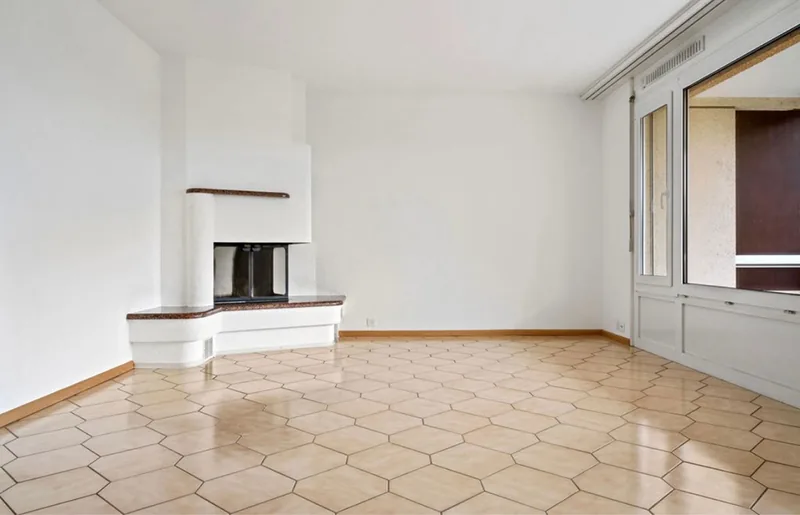
Open three of your latest images on a screen. Are fixed details blurred? Does the framing change between two shots? Or do you mainly see a piece of furniture cut off, a distracting reflection and scattered objects? In the latter case, buying equipment is not your first step. Prepare the space and find a more convincing position before reaching for your bank card.
The Adobe guide to real estate photography explains, among other things, the benefit of a tripod for returning to the same angle when taking several exposures of a room. The approach matters more than a particular piece of equipment.
Four questions to ask before choosing
- What setup does it need to support? Note your camera body, lens and the accessories that will remain attached. Check the load capacity and compatibility of the head and plate in the manufacturer's specifications. A load rating alone does not tell you how comfortable adjustments will be.
- At what height do you actually work? Try out your desired framing in a room. Then compare this height with the tripod's, distinguishing measurements with and without the centre column extended.
- Can you adjust it without a struggle? When trying it out, loosen, adjust and then lock the head. Does the framing stay where you want it? Can you repeat the process calmly without moving the legs?
- Will it be easy to carry and set up? Check its size when folded and open. In a small home, choose a position that keeps passageways clear, away from children and busy areas.
These questions form a checklist for trying equipment, not a product ranking. Borrowing or renting a model for a session may teach you more than comparing isolated specifications. No price or model is recommended here without checks suited to your camera.
What a tripod does not correct
It stabilises the camera, not what moves in front of it. A person walking across the room may still be blurred during a long exposure. Nor does it automatically correct incorrect focus or an unflattering angle. For stabilisation built into your camera body or lens, consult your model's manual: do not apply a universal instruction to switch it on or off.
If you merge several exposures into HDR, check for moving elements between shots. The Lightroom Classic HDR merge documentation distinguishes image alignment from deghosting. These tools do not remove the need to examine the result; the rendering should remain true to the location.
A simple test before any purchase
- Choose a fixed detail in a room: the edge of a bookcase or a frame, for example.
- Photograph it handheld, then with your camera on a genuinely stable, secure support or a borrowed tripod. Never balance equipment on a ledge.
- Keep the framing, focus and settings as similar as possible for comparison. Use the self-timer if your camera allows it, so you do not touch it when the shutter releases.
- Examine the details on a screen. Note what changes and what remains problematic: sharpness, framing, light, tidiness.
If the support clearly improves consistency and fits a frequent use, a tripod is worth trying in a shop. If your images remain disappointing for other reasons, work on those points first. This exercise is not a laboratory protocol and does not allow an objective comparison of two models.
When presenting a property, think about the series too
A listing does not rely on a single successful shot. It needs to convey the spaces, how they connect and useful details. Read our article on how to showcase a property, then define the priority rooms and uses for your images.
TimFocus editorial team. Adobe sources consulted on 16 October 2026, linked in the text. General advice and a suggested exercise, with no product test or claims about Tim's equipment.